
Why backpack Southeast Asia
Backpacking Southeast Asia is a rewarding way to combine welcoming cities, tropical landscapes, excellent food, and easy overland travel. Short distances between major stops make it possible to build a varied trip without rushing every day.
Which countries should you choose?
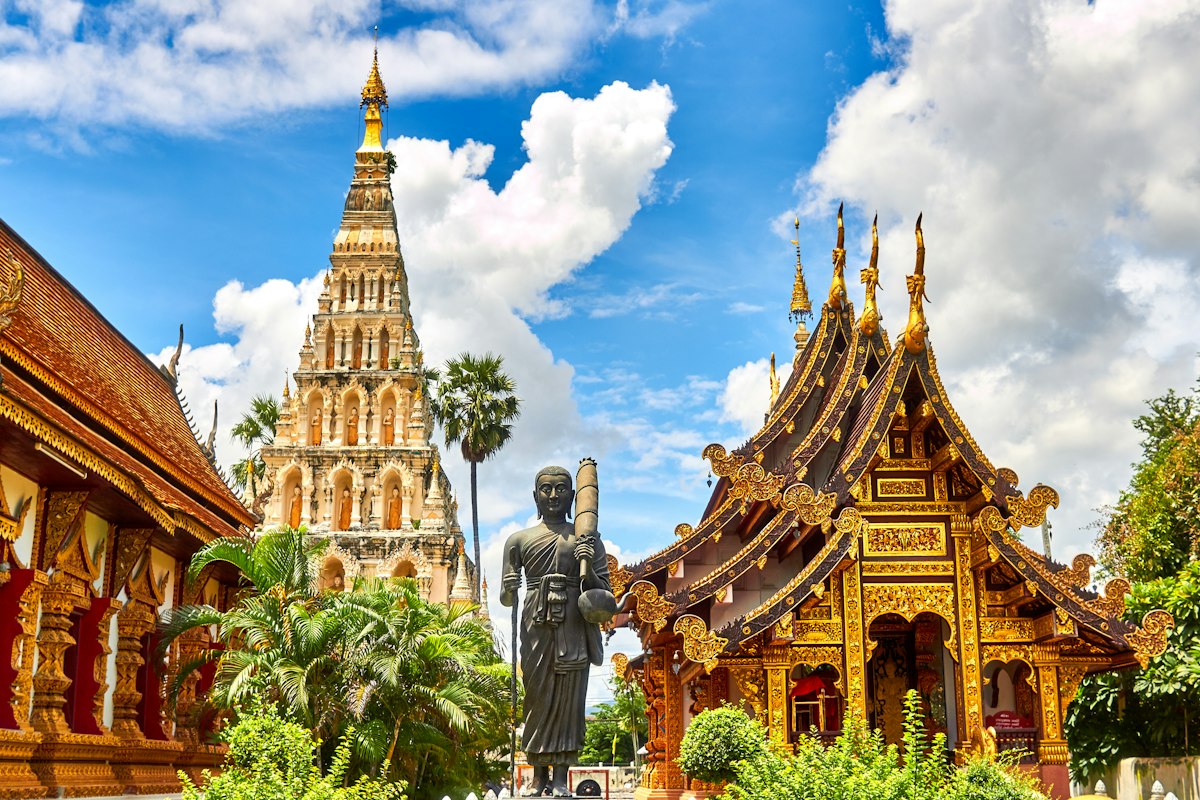
For a first route, choose two or three countries rather than trying to see everything. Thailand offers simple transport and islands, Vietnam adds lively cities and dramatic scenery, Cambodia brings history and friendly riverside towns, Laos is ideal for a slower pace, and Malaysia combines great food with modern cities and rainforests.
- Thailand: Bangkok, Chiang Mai, and one island or beach area.
- Vietnam: Hanoi, Ninh Binh, and Hoi An or Ho Chi Minh City.
- Cambodia: Siem Reap for Angkor and a relaxed southern stop.
- Laos: Luang Prabang and the Mekong for a quieter interlude.
- Malaysia: Kuala Lumpur, Penang, or a short rainforest extension.
A coherent three-week mini-itinerary
Start in Bangkok for three nights, then travel north to Chiang Mai for three nights. Cross into Laos for Luang Prabang and spend three nights between the old town and the river. Continue to Hanoi for four nights, including a day trip to Ninh Binh, then finish with four nights in Hoi An. Keep the final three nights flexible for a beach break, a slower travel day, or an easy departure from a major airport.
Indicative daily costs
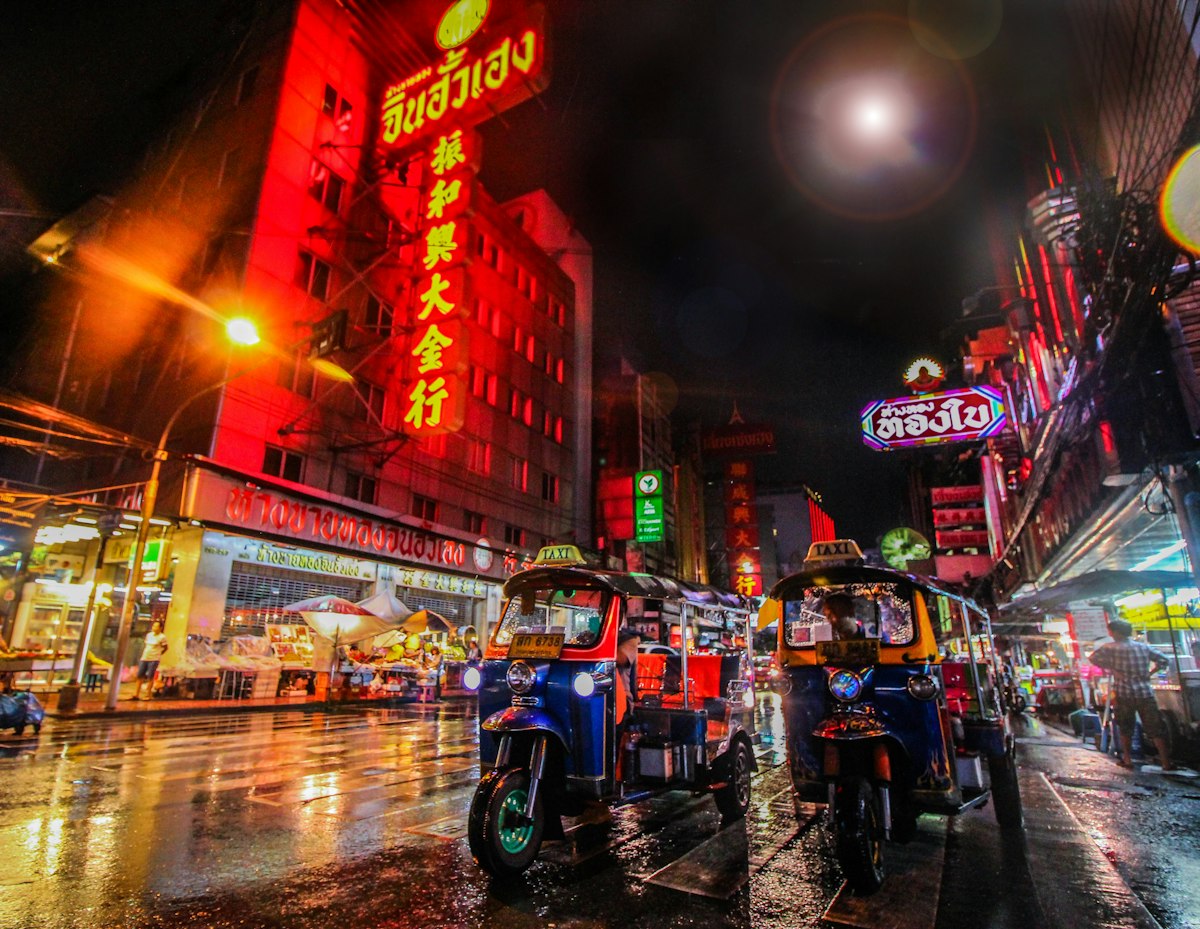
A realistic backpacker budget is usually $20–50 per day, depending on the country and comfort level. These ranges exclude international flights.
- Laos and Vietnam: about $20–35 per day for a simple room, local meals, and buses.
- Cambodia and Thailand: about $25–45 per day, with island transport or popular sights adding extra cost.
- Malaysia: about $30–50 per day, especially in Kuala Lumpur or on a rainforest excursion.
Practical ways to save money
- Eat where locals eat, especially at breakfast markets and neighborhood food stalls.
- Book buses and guesthouses one or two days ahead, then keep the rest of the route flexible.
- Use trains and shared minivans for longer journeys instead of booking last-minute flights.
- Carry a refillable bottle, small padlock, and a lightweight day bag to avoid repeated purchases.
- Budget separately for entrance fees, ferries, and travel insurance so daily spending stays clear.
When to go and what to pack
The best time depends on the countries in your route, but November to February is a popular window for cooler, drier conditions in much of mainland Southeast Asia. Pack breathable layers, a light rain jacket, comfortable sandals, one pair of walking shoes, sun protection, mosquito repellent, and a small dry bag. Leave space in your luggage: a light pack makes border crossings and overnight buses much easier.
Ready to map your route?
Turn this Southeast Asia itinerary into a trip that fits your pace, budget, and favorite places.
Start planning this trip